Burger King Menu Nutrition: Exploring Healthy Choices
When dining at Burger King, making informed choices about your meal can be challenging due to the variety of options available. Understanding the nutritional content of their menu is crucial for maintaining a balanced diet.
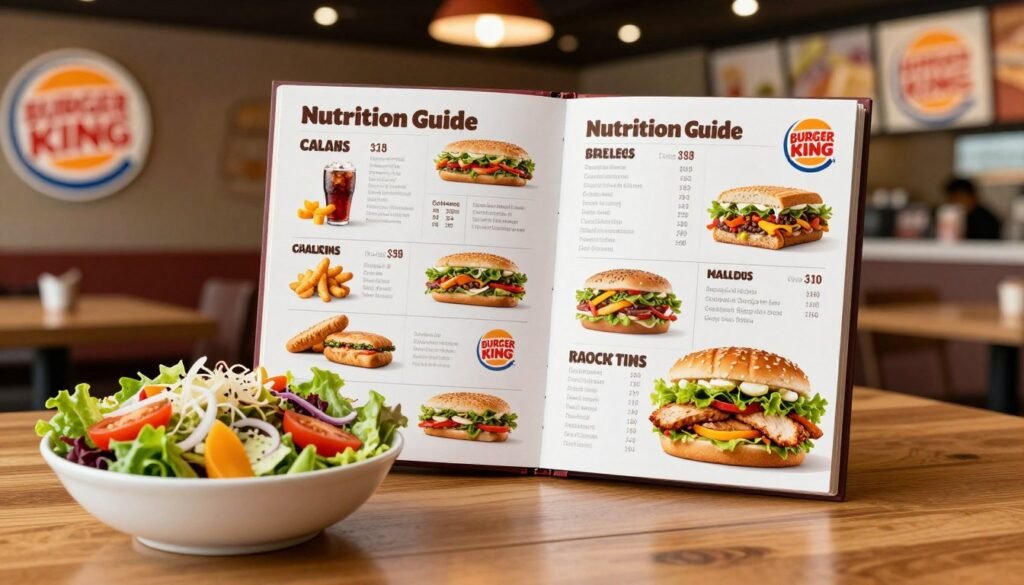
The Burger King nutrition guide provides valuable insights into the nutritional aspects of their offerings, enabling customers to make healthier decisions. This article will explore the nutritional information available for Burger King menu items, helping you navigate their menu with confidence.
Key Takeaways
- Understanding the nutritional content of Burger King menu items
- How to make informed choices when dining at Burger King
- Overview of the Burger King nutrition guide
- Tips for navigating the menu for healthier options
- Importance of nutritional information for a balanced diet
Understanding Burger King’s Nutritional Information
Burger King provides comprehensive nutritional details to help customers make healthier decisions. Understanding these details is crucial for making informed choices that align with your dietary needs.
How to Access Burger King’s Nutrition Facts
Burger King offers multiple avenues for accessing nutritional information, catering to different preferences and needs.
In-Store Nutrition Information
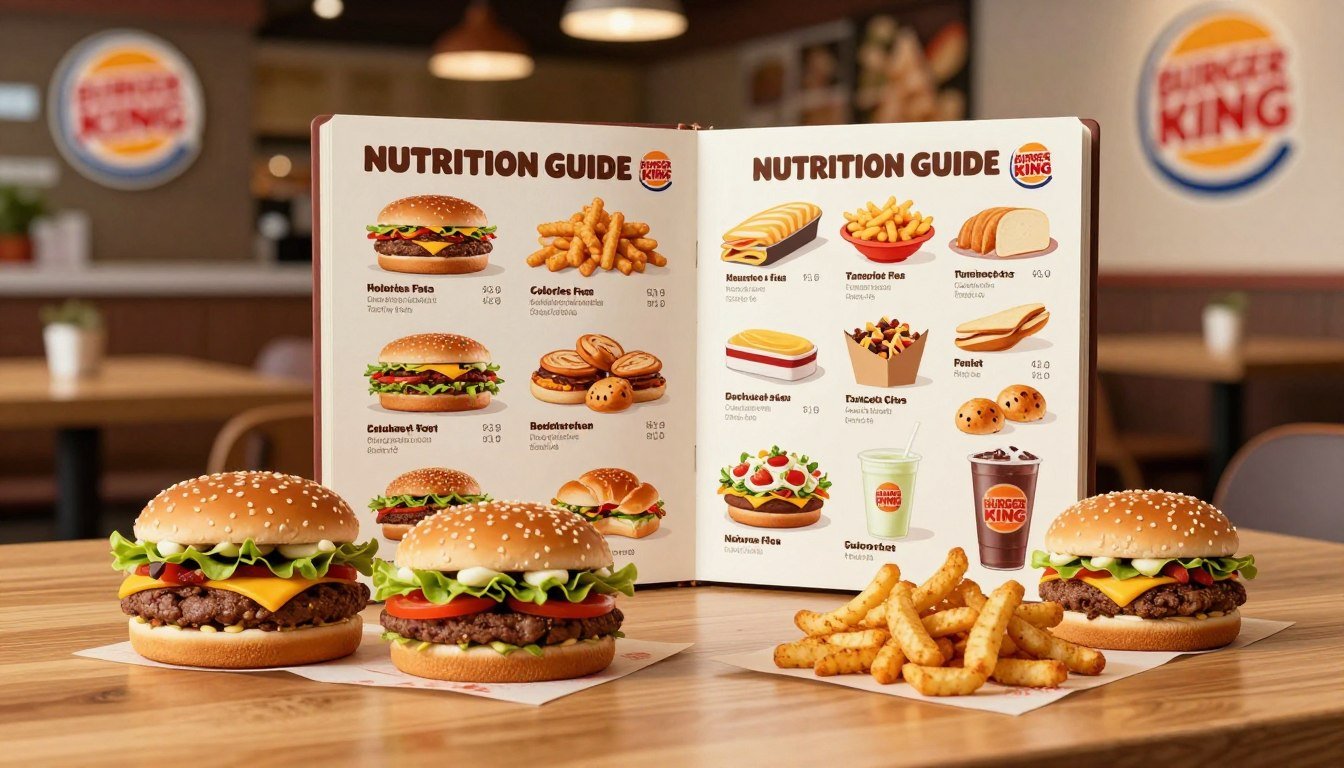
For those who prefer a more traditional approach, nutritional information is available in-store. Customers can request a nutrition guide or look for posters and brochures near the menu boards. This information includes details on calories, fat, sodium, and other key nutritional values.
Online and Mobile App Resources
In today’s digital age, Burger King also provides nutritional information online and through their mobile app. The official website and app offer detailed nutrition facts for all menu items, allowing customers to plan their meals in advance. This digital information is easily accessible and can be filtered according to specific dietary requirements.
Decoding Nutrition Labels at Burger King
Understanding nutrition labels is key to making healthier choices. Burger King’s nutrition labels provide a wealth of information that can help consumers.
Key Nutritional Values to Monitor
When examining Burger King’s nutrition labels, several key values should be monitored:
- Calories: Essential for managing weight.
- Sodium: Important for those with blood pressure concerns.
- Fat Content: Includes total fat, saturated fat, and trans fat.
- Sugars: A consideration for those monitoring carbohydrate intake.
Allergen Information
Burger King also provides allergen information, crucial for customers with dietary restrictions. This includes information on common allergens such as peanuts, tree nuts, milk, eggs, fish, shellfish, soy, and wheat. Being aware of this information can help prevent allergic reactions.
By understanding and utilizing Burger King’s nutritional information, customers can make more informed choices that fit their health and dietary goals.
Burger King Menu Nutrition: An Overview
Exploring Burger King’s menu nutrition reveals a broad spectrum of calorie counts and nutritional values. Burger King’s menu is designed to cater to a wide range of tastes and dietary preferences, but this variety also means that nutritional content can vary significantly from one item to another.
Calorie Range Across the Menu
The calorie count of Burger King menu items varies widely. From low-calorie salads to high-calorie burgers and fries, the range is broad. Understanding this range is crucial for customers looking to manage their calorie intake.
Highest and Lowest Calorie Items
At the lower end of the calorie scale, items like the Garden Salad with grilled chicken contain fewer than 300 calories. On the other hand, high-calorie items such as the Triple Whopper with Cheese can exceed 1,000 calories. Being aware of these extremes helps in making informed choices.
Common Nutritional Concerns
Beyond calorie counts, other nutritional concerns at Burger King include high levels of sodium, fat, and sugar in various menu items.
Sodium, Fat, and Sugar Content
Many Burger King items are high in sodium, with some sandwiches containing over 1,000 mg. Fat content is also significant in items like the Double Whopper, which contains a substantial amount of saturated fat. Additionally, some menu items, such as milkshakes and desserts, are high in sugar.
Portion Size Considerations
Portion sizes at Burger King can be larger than standard serving sizes, contributing to higher overall calorie and nutrient intake. Being mindful of portion sizes is essential for maintaining a balanced diet.
Analyzing Burger King’s Burger Options
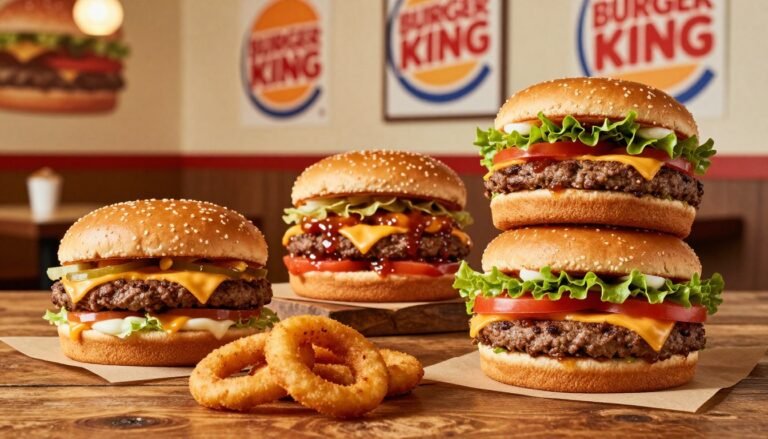
The Burger King burger menu is not just about the classic Whopper; it’s a variety of choices that can be tailored to suit your nutritional goals. With a range of options from classic beef burgers to newer plant-based alternatives, Burger King caters to diverse tastes and dietary requirements.
Whopper Family Nutrition Breakdown
The Whopper is Burger King’s signature sandwich, and understanding its nutritional profile is key to making informed choices. Let’s break down the nutritional facts for the classic Whopper and its variations.
Classic Whopper Nutritional Profile
The classic Whopper contains 640 calories, with 39g of fat, 49g of carbohydrates, and 28g of protein. It’s a substantial meal, but with high calorie and fat content.
As noted by a nutritional expert, “A typical fast-food burger like the Whopper can be part of a balanced diet if consumed in moderation.”
“The key to enjoying a Whopper is to be mindful of the overall nutritional content and balance it with other meals throughout the day.”
Double and Triple Whopper Nutrition Facts
For those with a bigger appetite, Burger King offers the Double and Triple Whopper. The Double Whopper packs 870 calories, while the Triple Whopper contains a substantial 1,160 calories. These options are significantly higher in calories, fat, and sodium.
Healthier Burger Alternatives
Burger King has introduced healthier burger alternatives, such as the Impossible Whopper, which replaces the beef patty with a plant-based alternative. This option reduces the calorie and saturated fat content while maintaining the signature Whopper taste.
Customization Tips for Lower-Calorie Burgers
Customizing your burger is a great way to reduce calories. Consider options like removing cheese or sauces, opting for a smaller patty, or choosing a whole-grain bun. These tweaks can make your burger meal healthier without sacrificing flavor.
Chicken Items: Nutritional Comparison
For those looking to make healthier choices at Burger King, understanding the nutritional comparison of their chicken items is essential. Burger King’s menu includes a range of chicken options, from grilled and fried chicken sandwiches to nuggets and specialty items.
Grilled vs. Fried Chicken Options
Grilled chicken options generally offer a lower calorie and fat content compared to their fried counterparts. For instance, a grilled chicken sandwich typically has fewer calories and less fat than a fried chicken sandwich.
Chicken Sandwiches Nutrition Facts
Original Chicken Sandwich Analysis
The Original Chicken Sandwich at Burger King is a classic choice. It contains 410 calories, with 10g of fat and 1140mg of sodium.
Specialty Chicken Sandwiches
Specialty chicken sandwiches may offer unique flavors but often come with higher calorie and sodium counts. For example, some specialty sandwiches can exceed 600 calories and 1500mg of sodium.
Nuggets and Other Chicken Items
Burger King also offers chicken nuggets, which can be a convenient option. A serving of 4-piece nuggets contains around 190 calories, 12g of fat, and 340mg of sodium. However, it’s easy to consume more than one serving in a single meal.
| Chicken Item | Calories | Fat (g) | Sodium (mg) |
|---|---|---|---|
| Grilled Chicken Sandwich | 310 | 3.5 | 1040 |
| Fried Chicken Sandwich | 410 | 10 | 1140 |
| 4-piece Chicken Nuggets | 190 | 12 | 340 |
Breakfast Menu Nutrition Guide
When it comes to breakfast, Burger King has a range of choices that can fit into a balanced diet. Understanding the nutritional content of these options is key to making informed decisions.
Healthiest Breakfast Choices
For those looking for a healthier start, Burger King’s breakfast menu includes options like the Eggs Sandwich without the meat, which is relatively low in calories and saturated fats. Another option is the Yogurt Parfait, a good source of protein and calcium.
High-Protein Breakfast Options
Protein is an essential nutrient for breakfast, helping to keep you full until your next meal. Burger King’s Croissan’wich with Sausage, Egg, and Cheese is a high-protein option, though it’s also higher in calories and saturated fat. For a lighter protein-rich choice, consider the Eggs and Cheese Biscuit.
Breakfast Items to Limit
While Burger King offers some healthier breakfast options, there are items that are high in calories, sugar, or unhealthy fats that should be consumed in moderation.
High-Calorie Breakfast Sandwiches
Items like the Bacon, Egg & Cheese Biscuit are high in calories and saturated fats. Being mindful of portion sizes or customizing your order can help make these options healthier.
Hidden Sugar in Breakfast Items
Some breakfast items, such as certain pastries and yogurts, can contain high amounts of sugar. Checking the nutrition facts can help identify these hidden sugars.
| Breakfast Item | Calories | Protein (g) | Sugar (g) |
|---|---|---|---|
| Eggs Sandwich | 230 | 12 | 2 |
| Croissan’wich with Sausage, Egg, and Cheese | 540 | 26 | 6 |
| Yogurt Parfait | 140 | 5 | 16 |
Side Dishes and Their Nutritional Impact
Burger King’s side dishes, while often overlooked, play a significant role in determining the overall nutritional quality of your meal. Understanding the nutritional content of these items can help you make healthier choices.
French Fries Nutrition Analysis
French fries are a popular side dish at Burger King, but they can be high in calories and fat. A small order contains approximately 340 calories, while a large order can exceed 500 calories.
Different Sizes and Their Calorie Counts
- Small Fries: 340 calories
- Medium Fries: 440 calories
- Large Fries: 540 calories
Healthier Side Alternatives
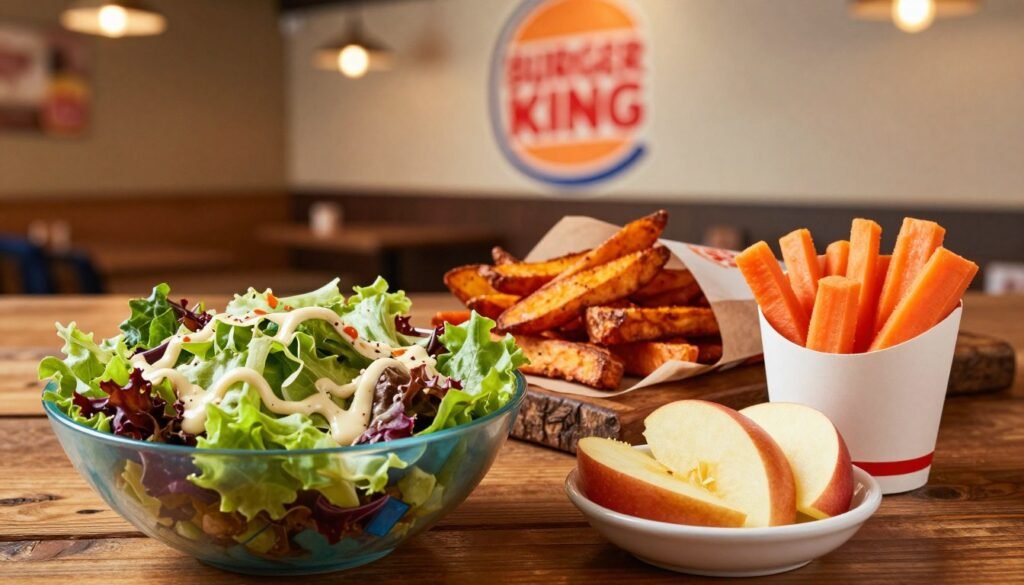
For those looking for lower-calorie options, Burger King offers several healthier side alternatives. One of the best choices is the Garden Side Salad.
Garden Side Salad Options
The Garden Side Salad is a nutritious option, with a basic salad containing around 100 calories. You can customize it with various toppings, but be mindful of the dressing, as it can add extra calories.
Beverages and Desserts: Hidden Calories
The nutritional impact of Burger King’s beverages and desserts is often underestimated. While customers may be mindful of the calories in their burgers, the extras can quickly add up.
Sugar Content in Burger King Drinks
Burger King’s beverage menu includes a range of soft drinks, iced teas, and coffee. However, these drinks can be high in sugar.
Soft Drinks and Frozen Beverages
Soft drinks like Coca-Cola and Dr Pepper are popular choices, but they are high in calories and sugar. For example, a large Coca-Cola contains 310 calories and 86 grams of sugar.
| Drink | Size | Calories | Sugar (g) |
|---|---|---|---|
| Coca-Cola | Large | 310 | 86 |
| Dr Pepper | Large | 300 | 81 |
| Iced Tea | Large | 140 | 37 |
Dessert Nutrition Breakdown
Desserts at Burger King, such as ice cream and shakes, are also high in calories and sugar.
Ice Cream and Shake Analysis
A large vanilla ice cream cone contains 340 calories and 44 grams of sugar. Shakes are even more calorie-dense, with a large chocolate shake containing 740 calories and 94 grams of sugar.
| Dessert | Size | Calories | Sugar (g) |
|---|---|---|---|
| Vanilla Ice Cream Cone | Large | 340 | 44 |
| Chocolate Shake | Large | 740 | 94 |
Better Beverage Choices
For those looking to reduce their calorie intake, opting for water, unsweetened tea, or black coffee is advisable. These choices significantly lower the calorie count of your meal.
By being mindful of the nutritional content of beverages and desserts, customers can make more informed choices when dining at Burger King.
Plant-Based and Vegetarian Options
For those looking for meatless meals, Burger King provides a variety of plant-based and vegetarian choices. One of the most popular items is the Impossible Whopper, a plant-based version of their signature sandwich.
Impossible Whopper Nutrition Facts
The Impossible Whopper is designed to mimic the taste of the original Whopper but with a plant-based patty. Nutrition information for this item is crucial for customers making informed decisions.
Comparing to the Traditional Whopper
When comparing the Impossible Whopper to the traditional Whopper, there are notable differences in nutritional content. The Impossible Whopper contains 240 calories for the patty alone, compared to the beef patty’s 260 calories in the traditional Whopper.
Plant-Based vs. Traditional Burgers
The debate between plant-based and traditional burgers often centers around nutritional differences. Plant-based burgers like the Impossible Whopper offer a alternative for those looking to reduce their meat intake.
Protein, Fat, and Calorie Differences
A comparison of the nutritional facts reveals that the Impossible Whopper has similar protein content to the traditional Whopper but differs in fat composition. Understanding these differences is key to making informed choices.
Vegetarian-Friendly Menu Items
Beyond the Impossible Whopper, Burger King offers other vegetarian-friendly options. Customers can customize their meals to suit their dietary preferences.
Customization Options for Vegetarians
Vegetarians can modify their orders to ensure they meet dietary requirements. For example, swapping out certain ingredients can make a meal more suitable for vegetarians.
Special Dietary Needs at Burger King
Navigating Burger King’s menu for special dietary needs is made easier with their nutritional information and versatile options. Burger King understands that different customers have different dietary requirements, and they strive to accommodate these needs.
Low-Carb Options
For those following a low-carb diet, Burger King offers several alternatives. One popular choice is the Burger Bowl, which allows customers to enjoy their favorite burger without the bun.
Burger Bowl Alternatives
The Burger Bowl is a great low-carb option, as it replaces the traditional bun with a bed of lettuce, reducing carbohydrate intake. Customers can customize their Burger Bowl with various toppings and sauces, making it a flexible choice for those monitoring their carb intake.
Gluten-Sensitive Choices
Burger King also caters to individuals with gluten sensitivity. While their menu is not entirely gluten-free, they offer items that are gluten-friendly. It’s essential for customers with severe gluten intolerance to be aware of cross-contamination risks.
Lower Sodium Selections
For customers concerned about sodium intake, Burger King provides options with lower sodium content. Grilled chicken sandwiches and salads are among the lower sodium choices.
Menu Items Under 1000mg Sodium
Some menu items at Burger King contain less than 1000mg of sodium, making them suitable for those on a low-sodium diet. The grilled chicken sandwich is one such option, offering a relatively low sodium content compared to other fast food items.
“The key to a healthy diet is not deprivation, but making informed choices that align with your nutritional needs.”
Burger King’s menu transparency and variety enable customers to make choices that fit their dietary goals.
Building a Balanced Meal at Burger King
Burger King’s diverse menu allows customers to build a nutritious meal with a little planning. By choosing the right combinations, you can enjoy a satisfying meal that meets your nutritional needs.
Meal Combinations Under 600 Calories
Creating a meal under 600 calories is achievable with Burger King’s menu. Here are some suggestions:
Breakfast Combinations
Opt for the Breakfast Sandwich with a small coffee or tea for a light start. Alternatively, choose the French Toast Sticks with a fruit cup for a sweeter, yet balanced breakfast.
Lunch and Dinner Options
For lunch or dinner, consider a Grilled Chicken Sandwich with a side salad or a small order of fries. Another option is the Impossible Whopper without mayo, paired with a side salad.
| Meal | Calories | Protein |
|---|---|---|
| Grilled Chicken Sandwich + Side Salad | 420 | 35g |
| Impossible Whopper (no mayo) + Side Salad | 540 | 25g |
| Breakfast Sandwich + Small Coffee | 320 | 15g |
Protein-Rich Meal Options
Burger King offers several high-protein options. The Triple Whopper is a substantial choice, with over 60g of protein. For a lighter option, the Grilled Chicken Salad provides a good amount of protein without the extra calories.
Family Meal Suggestions
Healthier Kids’ Meal Choices
For kids, opt for the Grilled Chicken Sandwich or Apple Fries as a healthier alternative to traditional fries. Don’t forget to choose a drink like Low-Fat Milk or a 100% Fruit Juice.
By making informed choices, you can enjoy a meal at Burger King that is both satisfying and nutritious.
Comparing Burger King to Other Fast Food Chains
When it comes to fast food, understanding the nutritional differences between popular chains is crucial for making informed choices. Burger King, a major player in the fast food industry, is often compared to its competitors on the basis of nutritional value.
Nutritional Differences from McDonald’s
A key comparison in the fast food world is between Burger King and McDonald’s, two giants with a long history of competition. One of the primary areas of comparison is their burgers.
Burger-to-Burger Comparison
Let’s examine the nutritional facts of Burger King’s Whopper and McDonald’s Big Mac. The Whopper contains 640 calories, with 37g of fat and 1,170mg of sodium. In contrast, the Big Mac has 540 calories, with 29g of fat and 970mg of sodium. While the Big Mac appears to be the lower-calorie option, customization plays a significant role in the final nutritional content.
How Burger King Stacks Up Against Wendy’s
Wendy’s is another fast-food chain that often finds itself in comparison with Burger King. A look at their burger options reveals some nutritional differences. Wendy’s Baconator, for example, is higher in calories and fat compared to Burger King’s Whopper.
Fast Food Nutrition Trends
The fast food industry is witnessing a shift towards healthier options, with chains introducing salads, grilled chicken, and vegetarian alternatives. This trend is driven by consumer demand for more nutritious fast food.
Industry Moves Toward Healthier Options
Both Burger King and its competitors are responding to the demand for healthier fast food by expanding their menus to include lower-calorie and lower-sodium options. This includes grilled chicken sandwiches and salads, as well as vegetarian and vegan choices.
By understanding the nutritional differences between Burger King and other fast food chains, consumers can make more informed choices that align with their dietary preferences and needs.
Conclusion
Understanding the nutritional content of Burger King’s menu is crucial for making informed dining decisions. Throughout this article, we’ve explored the various aspects of Burger King Menu Nutrition, from the calorie range across the menu to the nutritional breakdown of specific items like burgers, chicken, and breakfast options.
By utilizing Burger King’s nutrition guide, consumers can identify healthier choices that fit their dietary needs. Whether it’s opting for grilled chicken instead of fried, customizing burgers for lower calorie counts, or selecting from the variety of side dishes and beverages, there’s a range of options available for those seeking a balanced meal.
The key takeaway is that informed choices lead to healthier dining experiences. With the insights gained from this exploration of Burger King Menu Nutrition, readers are empowered to navigate the menu effectively, ensuring that their meal aligns with their health and dietary preferences.